
Most websites publish content. Very few actually get found. Here’s the difference — and how to master both sides of the equation.
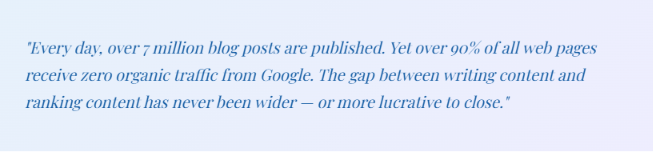
You’ve probably been told that “content is king.” And while that’s true, it’s only half the story. In 2025, content without SEO is invisible, and SEO without quality content is short-lived. The brands, freelancers, and businesses that are winning online are those who’ve mastered both — together.
Whether you’re a business owner trying to grow your brand organically, a freelancer looking to offer high-value services, or a marketer wanting to stay ahead of the algorithm, Content Writing & SEO Mastery is no longer optional. It’s the foundation of every successful digital strategy.

Table of Contents
Why Most Content Fails (And What SEO-Powered Writing Fixes)
Here’s a hard truth: writing well is not enough. You can craft a beautifully written article and still get zero visitors — if you’re ignoring search intent, keyword targeting, and on-page optimization.
On the flip side, stuffing keywords into thin, unreadable content will get you penalized by Google’s Helpful Content system and ignored by real human readers. The sweet spot — the place where traffic, trust, and conversions all meet — is strategic content writing that’s built for both people and search engines.

The 5 Pillars of Content Writing & SEO Mastery
1. Keyword Research That Uncovers Real Opportunity
Keyword research isn’t just about finding high-volume terms. It’s about understanding what your audience is actually searching for — and why. Mastering this means learning to identify search intent (informational, navigational, transactional), discover low-competition long-tail keywords, and map keywords to the right type of content.
2. Content Structure That Ranks and Converts
How you structure your content determines whether Google’s crawlers can understand it — and whether readers stay long enough to take action. This includes crafting compelling headlines and meta descriptions, using H1/H2/H3 tags strategically, writing scannable content with strong formatting, and building internal linking architecture.
3. On-Page SEO: The Non-Negotiable Checklist
- Primary keyword in title, first 100 words, and URL
- Meta description optimized for click-through rate
- Image alt text with descriptive keywords
- Strategic use of LSI (Latent Semantic Index) keywords
- Schema markup for enhanced SERP appearance
- Page speed and mobile-first formatting
4. Copywriting Psychology That Drives Action
Great SEO content doesn’t just rank — it converts. This is where content writing meets direct-response copywriting. Understanding frameworks like AIDA (Attention, Interest, Desire, Action) and PAS (Problem, Agitate, Solution) means your content doesn’t just get found, it gets results — whether that’s email signups, product sales, or course enrollments.
5. Content Strategy and Topic Authority
Google no longer rewards individual pages — it rewards websites that demonstrate deep expertise in a topic. This is called topical authority, and building it requires a systematic content strategy: pillar pages, content clusters, strategic internal linking, and consistent publishing cadence.
“The best time to start building your content and SEO skills was 5 years ago. The second best time is right now.”
Who Needs These Skills in 2026?
The short answer: almost everyone in digital business. But here’s who stands to gain the most:
Freelancers & Digital Marketers — Content writing and SEO are consistently among the highest-paying and most in-demand freelance skills globally. Platforms like Upwork and Fiverr show thousands of monthly job postings for SEO writers and content strategists.
Business Owners & D2C Brands — If you’re selling products or services online, organic search is your most cost-effective long-term traffic channel. One well-ranked blog post can drive qualified buyers for years without ongoing ad spend.
Students & Aspiring Marketers — Landing a digital marketing job today requires demonstrable skills. Being able to show you can write content that ranks is a portfolio differentiator that sets you apart immediately.
What Real Mastery Looks Like
There’s a big difference between knowing about SEO and being able to execute it. Real mastery means you can take a blank brief, research a topic, identify the right keywords, write content that genuinely helps readers, optimize every on-page element, and track performance in Google Search Console — all as a repeatable, scalable system.
It means you understand how algorithm updates affect your strategy. You know how to write for AI-powered search features like Google’s AI Overviews. You can audit existing content and identify exactly why it’s underperforming. And you can turn a 500-word product description into a ranking asset that drives consistent traffic.
The Real Cost of Not Learning This
Every month you spend creating content without SEO knowledge is a month of wasted effort. Blog posts that don’t rank. Product pages that don’t convert. Social content that disappears in 24 hours. Meanwhile, competitors who understand SEO are quietly building traffic that compounds month after month.
The digital marketing landscape is more competitive than ever. But the opportunity is also bigger than ever — for those who build the right skills and apply them consistently.

Ready to Master Content Writing & SEO?
This course takes you from the fundamentals all the way to advanced strategy — keyword research, on-page SEO, content frameworks, copywriting psychology, and real-world application. Structured, practical, and built for results.
Lifetime access · Beginner to Advanced · Practical assignments included
Great content! Keep up the good work!